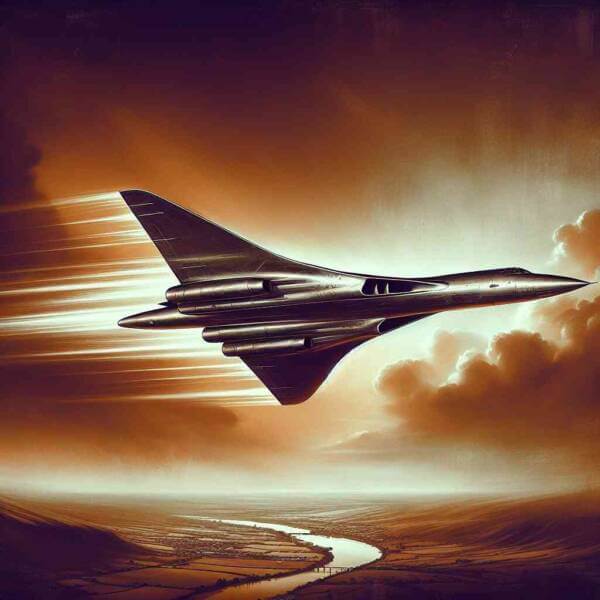
Since its beginnings in the early 20th century, military aviation has revolutionized warfare.
Today, military aviation encompasses a wide range of missions, from fighter jets and bombers to surveillance drones and transport planes.
How Military Aviation Began
Military aviation started during the dawn of aerial warfare, with aircraft initially used for spying on enemy movements.
Important events in the evolution of military aviation:
- Development of air combat tactics
- Massive growth in air power
- Rapid development of jet technology
- Rise of unmanned aerial vehicles (UAVs)
Each era brought more powerful aircraft that pushed the limits.
Different Roles of Military Planes
Understanding the types of military aircraft helps in appreciating the complexity of modern air forces.
Major aircraft classifications:
- Aircraft designed for air-to-air combat
- Bombers
- Logistical support aircraft
- Unmanned aircraft for intelligence gathering
Each type plays a vital role in military operations, from supporting ground forces.
Why Control of the Skies Matters
Air superiority is crucial for achieving military success.
Benefits of air superiority include:
- Reducing enemy effectiveness
- Targeting infrastructure and logistics
- Gathering critical intelligence
- Demonstrating power and deterrence
Nations with strong military aviation capabilities can control conflicts.
The Next Generation of Military Aircraft
Military aviation is at the forefront of engineering breakthroughs.
Cutting-edge developments:
- Low-visibility planes
- Hypersonic weapons
- Artificial intelligence-driven missions
- Directed energy weapons
These advancements enhance lethality for air forces worldwide.
Risks and Limitations
Despite technological superiority, military aviation faces numerous challenges.
Major obstacles to overcome:
- Budget constraints for defense programs
- Rapid technological changes
- Protecting systems from hacking and sabotage
- New debates about AI in warfare
Addressing these challenges is crucial to staying ahead.
Where Military Aviation is Heading
The future of military aviation promises faster, smarter, and more autonomous systems.
Expected advancements:
- Autonomous mission planning
- Space as the next battlefield
- Developing sustainable aviation technology
- Joint defense projects
The next era of military aviation will shape the future of global security.
Conclusion
Military aviation remains website a powerful force in global defense.
As technology continues to evolve, the skies will remain a frontline of innovation where military aviation protects nations.
The future of military aviation is limitless — and it’s only just beginning.