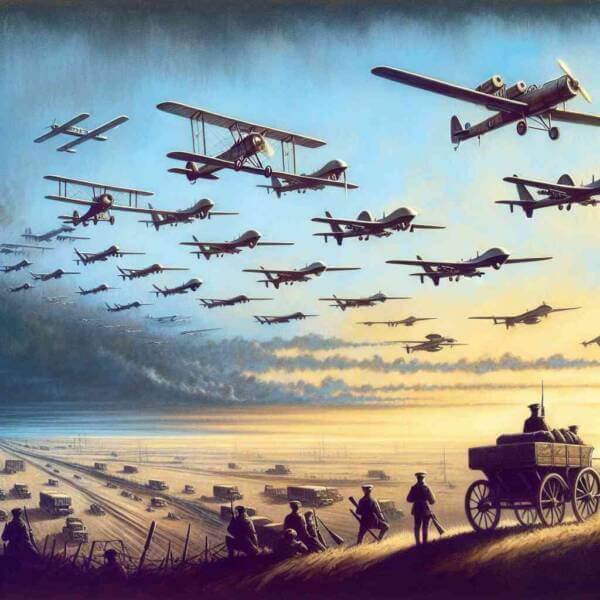
Since its beginnings in the early 20th century, military aviation has changed how wars are fought.
Today, military aviation encompasses a wide range of technologies, from fighter jets and bombers to surveillance drones and transport planes.
History of Military Aviation
As technology advanced, airplanes were adapted for air-to-air battles, altering battlefield dynamics.
Major milestones in military aviation history include:
- The introduction of fighter planes and bombers
- World War II advancements
- Rapid development of jet technology
- Remote operations changing the face of conflict
Each era brought more powerful aircraft that redefined military capabilities.
Types of Military Aircraft
Military aviation includes a variety of aircraft, each designed for unique purposes.
Major aircraft classifications:
- Aircraft designed for air-to-air combat
- Bombers
- Logistical support aircraft
- Unmanned aircraft for intelligence gathering
Each type plays a critical function in military operations, from supporting ground forces.
Why Control of the Skies Matters
Air superiority is essential for achieving military success.
How controlling the air impacts battles:
- Protecting ground forces
- Cutting off enemy resources
- Surveillance and reconnaissance missions
- Psychological impact on enemy forces
Nations with strong military aviation capabilities can shape outcomes.
Technological Innovations in Military Aviation
Military aviation is at the forefront of scientific progress.
Future technologies in military aviation:
- Stealth technology
- Missiles and aircraft traveling at speeds greater than Mach 5
- Autonomous drones
- Laser and electromagnetic systems
These advancements increase survivability for air read more forces worldwide.
Obstacles Facing the Industry
Despite technological superiority, military aviation faces numerous challenges.
Pressing issues in military aviation:
- Rising development and maintenance costs
- Need for constant upgrades
- Securing digital communications and data
- Ethical concerns with autonomous weapons
Addressing these challenges is crucial to staying ahead.
What Lies Ahead
The future of military aviation promises faster, smarter, and more autonomous systems.
Likely developments:
- Greater integration of artificial intelligence
- Space as the next battlefield
- Developing sustainable aviation technology
- Collaborations across allied air forces
The next era of military aviation will redefine defense.
Final Thoughts on Military Aviation
Its history, present achievements, and future possibilities demonstrate strategic importance.
As technology continues to evolve, the skies will remain a critical arena where military aviation protects nations.
The future of military aviation is full of potential — and it’s only just beginning.